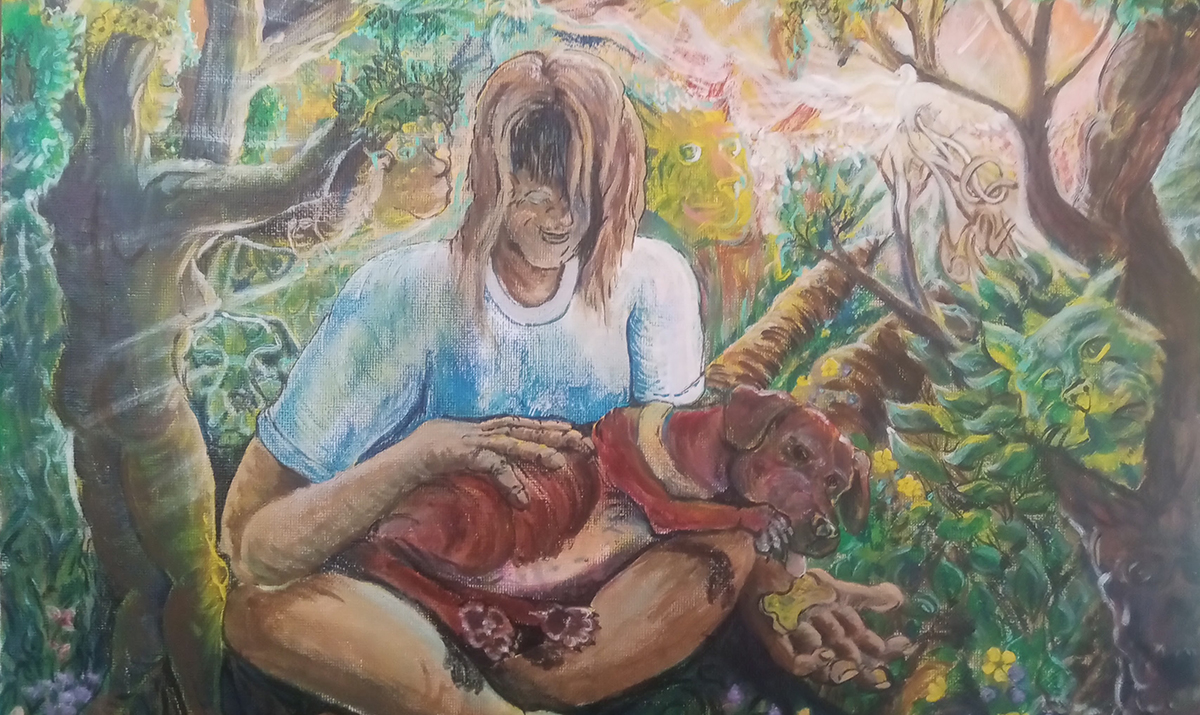
Keith McHugh creates art that moves beyond physical appearances to explore the emotional and spiritual dimensions of human existence. His creative practice is rooted in personal reflection, allowing memories, feelings, and intimate experiences to develop into meaningful artistic expressions. Rather than presenting straightforward narratives, McHugh draws upon imagination, symbolism, and poetic storytelling to communicate the complexities of the human spirit.
His work often examines the relationship between what has been experienced and what continues to live within us. Through an expressive combination of visual creativity and written language, he captures moments of vulnerability, affection, uncertainty, and personal discovery. These elements become pathways toward understanding the deeper connections that shape individual identity.
For McHugh, artistic expression offers a way to preserve emotions that cannot always be communicated through ordinary conversation. His creations invite audiences to recognize their own experiences within his reflections, transforming deeply personal stories into broader meditations on love, remembrance, and the lasting significance of human connection.
“Emmaries”: A Tender Reflection on Love, Loss, and the Memories That Remain
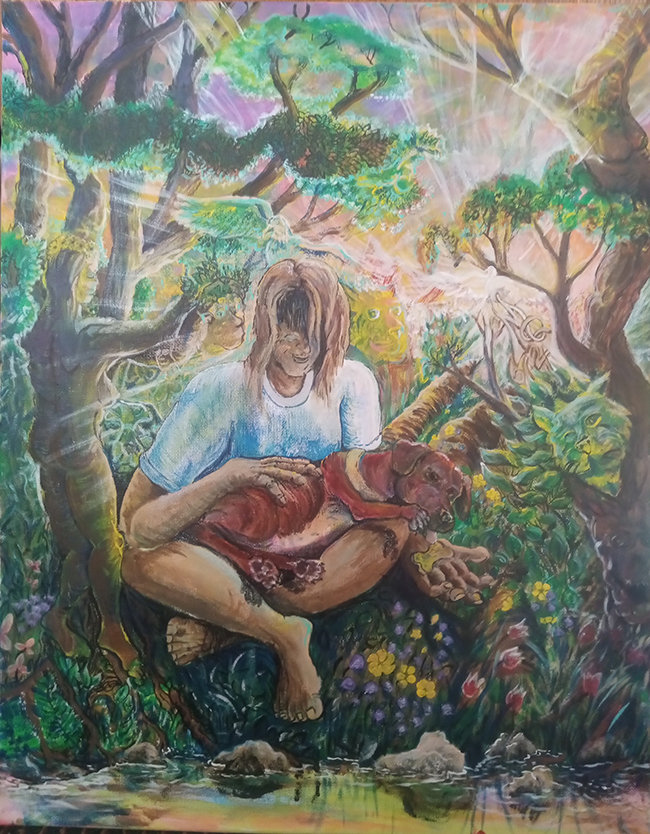
In Emmaries, Keith McHugh explores the profound emotional connection between a person and a beloved animal companion, presenting a deeply intimate meditation on affection, absence, and the extraordinary ability of memory to preserve love. Through heartfelt poetic language, the artist revisits the companionship he shared with Emma, whose presence continues to occupy a meaningful place within his emotional world.
The title itself suggests a delicate merging of Emma’s name with the concept of memories. This linguistic connection establishes the emotional foundation of the work, emphasizing how remembrance becomes inseparable from the individual being remembered. Emma is not simply a figure from the past; she remains an enduring presence within McHugh’s thoughts, feelings, and personal history.
At the center of Emmaries lies the idea that meaningful relationships do not disappear when physical companionship ends. Instead, they undergo a transformation, becoming part of an internal landscape where affection continues to exist beyond the limitations of time. McHugh approaches this transformation with sincerity, acknowledging both the sadness of separation and the comfort that cherished experiences can provide.
One particularly moving aspect of the work is its reflection on the desire to revisit ordinary moments that have acquired extraordinary emotional significance. The artist expresses the wish that he could have held onto Emma forever, especially if he had known that a familiar gesture of affection would eventually become a final encounter. This sentiment reveals a universal dimension of grief: the realization that seemingly insignificant experiences often become our most treasured memories.
Through this reflection, McHugh draws attention to the emotional importance of everyday companionship. A simple touch, a shared moment of play, or the quiet reassurance of a familiar presence can become deeply meaningful when viewed through the perspective of loss. What once seemed routine gradually acquires an almost sacred quality, preserved through the emotional intensity of remembrance.
The artist’s description of Emma as his best friend further emphasizes the depth of their relationship. Their bond transcends the conventional distinction between humans and animals, presenting companionship as an experience defined by loyalty, trust, and unconditional affection. Emma represents a source of emotional stability and happiness, someone whose presence helped shape the artist’s understanding of love.
Yet Emmaries is not exclusively concerned with sorrow. Beneath its expressions of longing exists a gentle movement toward acceptance and emotional renewal. McHugh acknowledges that his heart has gradually healed, suggesting that grief and recovery are not opposing forces but interconnected stages of an ongoing emotional journey.
This sense of healing does not require the disappearance of sadness. Instead, the artist discovers that remembering Emma allows him to maintain a connection with her while continuing to move forward. His memories become a place of comfort rather than simply reminders of what has been lost.
The work also explores the fascinating relationship between memory and imagination. McHugh describes Emma as running happily through his heart, creating an image of movement, energy, and continued companionship. This poetic vision transforms remembrance into something active and alive. Emma is no longer confined to a distant moment in history; she exists within a personal world where joyful experiences can be revisited and emotionally renewed.
The invitation for Emma to return carries particular emotional resonance. It communicates a longing that cannot be fulfilled physically, yet finds a form of resolution through imagination. Within the artist’s internal landscape, the two companions can play together again, their connection temporarily restored through the power of recollection.
McHugh’s poetic approach is distinguished by its conversational intimacy. Rather than relying on elaborate descriptions or distant philosophical observations, he communicates through direct emotional expression. This simplicity allows the work to feel personal and accessible, encouraging audiences to connect with the underlying experience rather than merely observe it.
Ultimately, Emmaries offers a thoughtful exploration of how love survives through memory. Keith McHugh transforms the experience of losing a beloved companion into a reflection on emotional endurance, gratitude, and the quiet beauty of remembrance. The work suggests that while physical presence may be temporary, the relationships that profoundly influence our lives continue to shape who we are.
Through Emma’s enduring place in his heart, McHugh reminds us that the deepest forms of affection are not measured solely by the time we spend together, but by the lasting emotional impressions that remain long after a farewell.