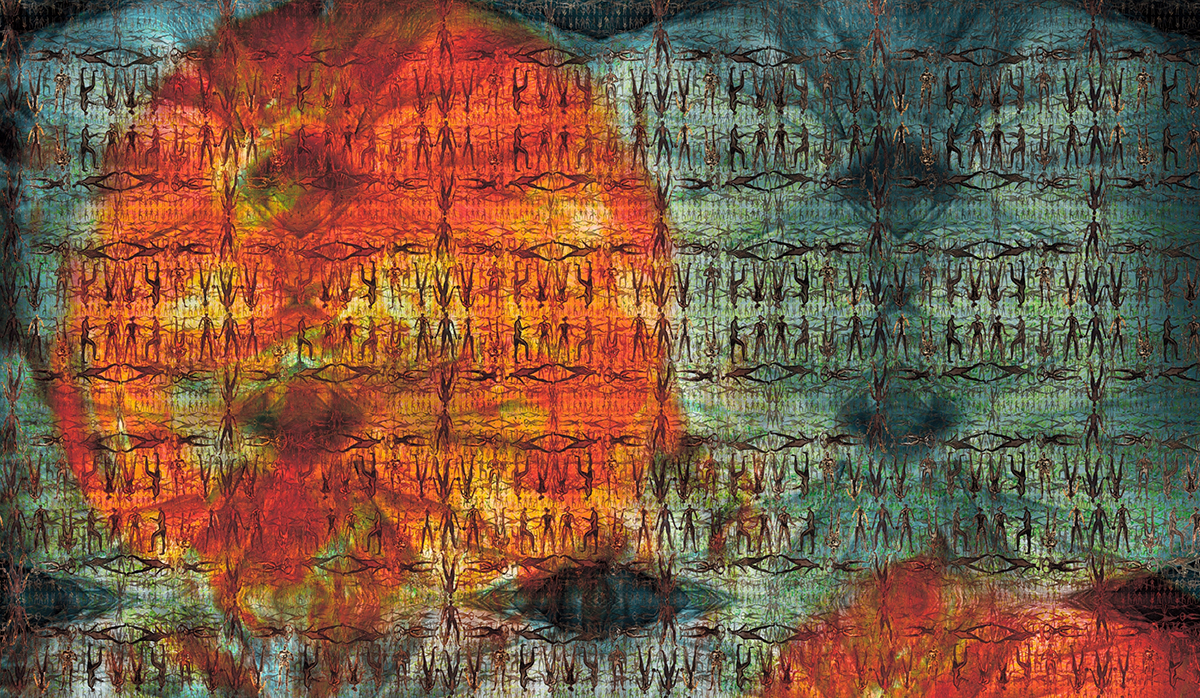
Vicky Tsalamata’s art follows the uncertain relationship between people and the world they inhabit. Based in Athens, Greece, she examines how historical experience, cultural inheritance, and social pressures influence individual lives. Her perspective is searching and often sarcastic, especially when addressing the contradictions of societies that profess moral values while allowing injustice to flourish. Yet her attention also rests on intimate concerns: the loneliness people experience, their need to communicate, and the importance of affection and friendship. In La Comédie Humaine and Bird’s Eye, these interests develop through two connected inquiries into human existence. Literary references inform her scrutiny of social behavior, while questions of memory and identity lead toward a more inward examination. Printmaking provides a language for both, bringing together material processes and ideas about the traces experience leaves behind. Across these works, Tsalamata considers how people understand their circumstances and seek a meaningful place within them.
La Comédie Humaine
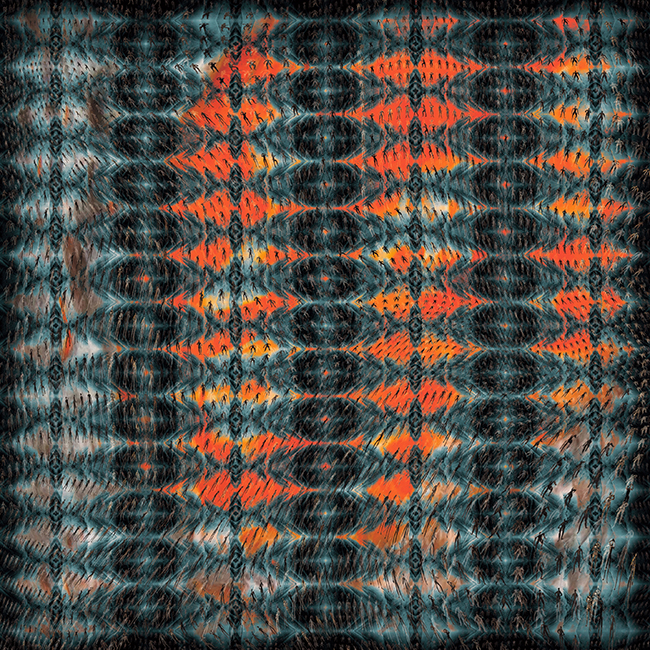
A human face can reveal something of the world in which a person lives. For Tsalamata, it carries associations with an era’s conflicts, expectations, fears, and desires. La Comédie Humaine develops from this relationship between human presence and historical circumstance. Personal existence is understood within a wider context, shaped by forces that affect both private feelings and relationships with others. The face becomes a point of contact between individual experience and collective history.
The series draws its title from Honoré de Balzac’s La Comédie Humaine and also references Dante’s Divine Comedy. These literary connections introduce questions about social conduct and divine justice. They provide a setting for Tsalamata’s own examination of morality, particularly the consequences of living under systems whose actions undermine their professed principles. Her concerns reach across past and present, suggesting that changes in historical circumstances do not necessarily resolve the conflicts at the heart of human society.
Sarcasm sharpens this examination. Tsalamata describes an order in which vulnerable people suffer while corruption becomes increasingly entrenched. Her criticism focuses on the unequal distribution of power and the limited value assigned to individual lives within larger structures. People are subject to decisions and priorities that may disregard their needs. Through this perspective, the series asks how dignity can survive when political and social conditions repeatedly weaken the position of those already at a disadvantage.
The need for human contact runs through this account of inequality. Alongside the pressures of social life, Tsalamata identifies a deep loneliness and a desire for communication. Love and friendship hold particular importance within her thinking about these conditions. The series combines intaglio and mixed media techniques, using seventeen iron matrices worked through intaglio processes. Considered in relation to its themes, the making and transferring of impressions suggests how encounters leave lasting effects, connecting the physical language of printmaking with the burdens and memories carried through a life.
Bird’s Eye
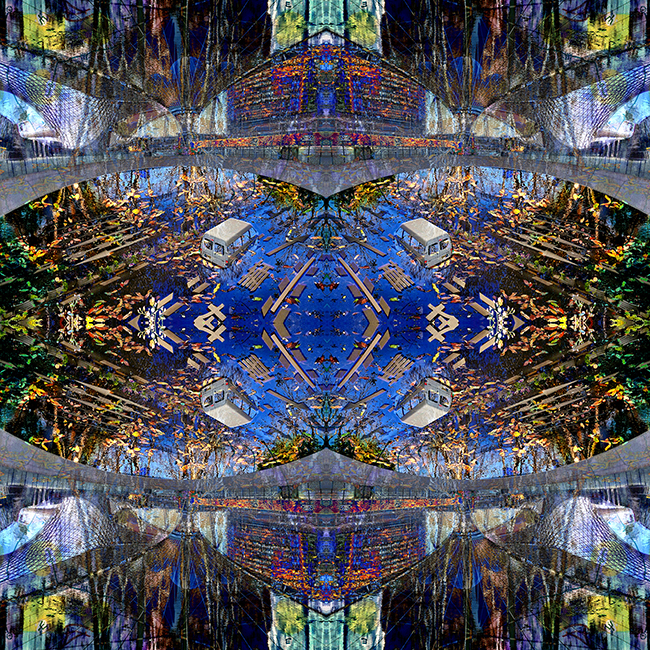
Bird’s Eye begins with the challenge of understanding cultural identity in a society reshaped by globalization. As the social environment changes, individuals seek connections with a wider cultural heritage and greater awareness of their own existence. Tsalamata approaches this search as an effort to understand one’s position within a shifting network of relationships. Belonging depends on how people recognize the connections between personal experience, inherited memory, and the world around them.
The elevated viewpoint suggested by the title offers a way to reconsider those connections. Distance can reveal patterns that remain difficult to perceive from within immediate experience. In the artist’s statement, this broader view also becomes a means of looking inward. The work seeks to map hidden pathways, memories, and structures associated with the individual and collective unconscious. Its concern is with the unseen influences that help shape awareness and contribute to a person’s understanding of existence.
Tsalamata explores these ideas through the expanded possibilities of contemporary printmaking. A visual language of layers allows matter and light to interact, leaving traces and imprints. Her comparison with mapping suggests a process of discovering relationships beneath outward appearances. Just as a map can disclose an underlying organization within a landscape, the work encourages reflection on the memories and associations beneath daily experience. This inward journey seeks a dependable point of meaning within a fragmented present.
Read together, the two series connect the demand for social justice with the desire for personal understanding. La Comédie Humaine addresses the systems and separations that place human worth under pressure. Bird’s Eye considers how a wider perspective might support self-awareness and cultural belonging. Their concerns meet in the search for connection: between people, between past and present, and between visible experience and its hidden foundations. Through printmaking, Tsalamata gives these questions a material form, inviting viewers to reflect on the circumstances shaping their lives and the relationships through which meaning becomes possible.